Clocks, eggs, ants, elephants, snails & drawers?
In surrealism, symbolism is key in communicating various themes directly linked to psychoanalysis and entering the mind of the unconscious. I have chosen to explore some of these symbols to get a better understanding of the works produced during this time and for the game I am making.
Clocks
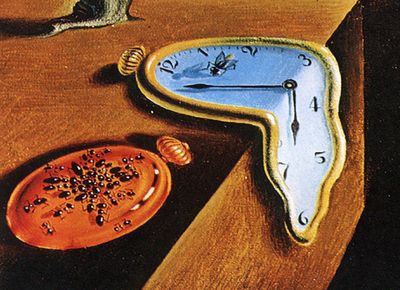
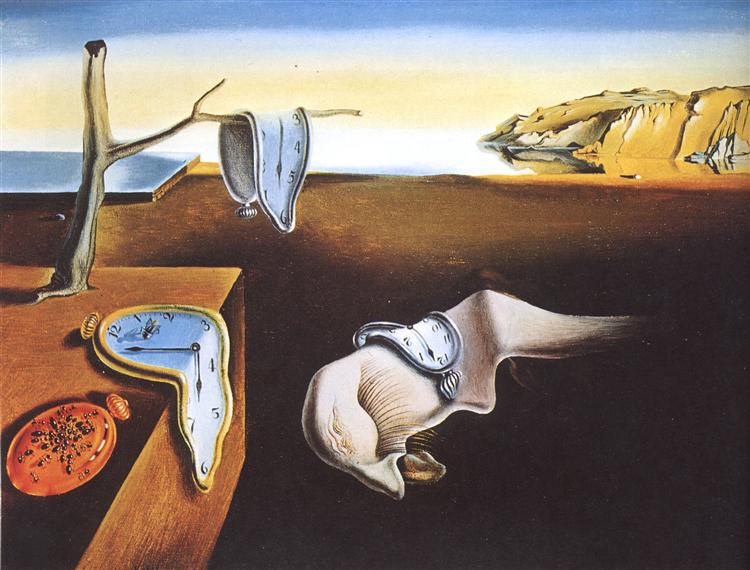
In surrealism, clocks represent the omnipresence of time and identify its mastery over human beings. It is said the Dalí’s inspiration for the soft watch came from the surreal way that he saw a piece of runny Camembert cheese melting in the sun. We use clocks in our daily lives to track the passage of time. The distorted melting clocks in The Persistence of Memory may symbolize our very different experience of time while we dream. Have you ever woken up from a long dream expecting it to be morning and are surprised to find it is still the middle of the night? In the dream state, hours can elapse in what feels like no time at all. For this reason I will be using the symbol of the clock to freeze time within the game (this will make more sense later on.)
Eggs
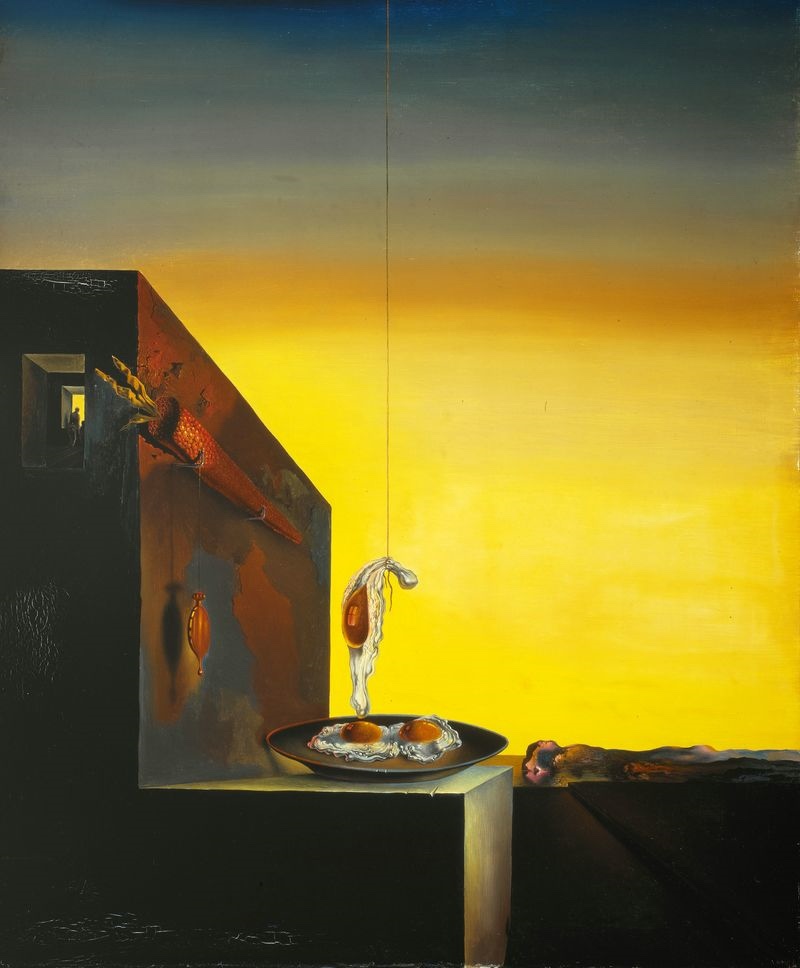
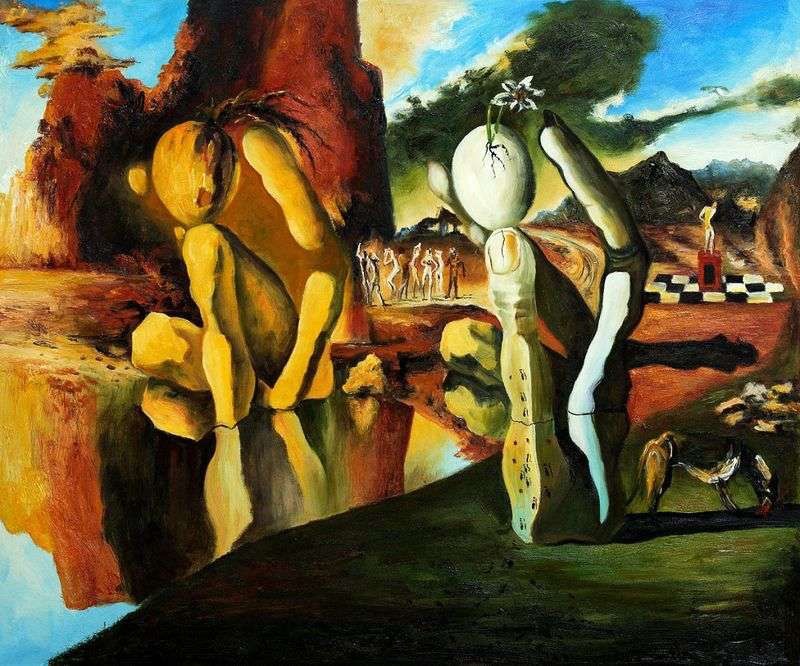
The duality of its hard exterior and soft interior – he links it to pre-natal images and the intro uterine universe. It is also a symbol of both hope and love. For Dali, the egg usually plays a hopeful role, often coming to symbolise new beginnings or purity amidst the surrounding chaos. In the Metamorphosis of Narcissus, Dali splits his canvas into the four-parts of the story, subtly delineated by changes of tone and construction. The egg appears in the fourth and final story element. A cold grey hand holds the egg aloft, out of the water. From it’s shell a single, beautiful Narcissus flower has emerged. In this image the egg has become a symbol of hope and rebirth, it is the vessel from which Narcissus may begin again, its smooth shell hiding the mechanics by which new birth occurs. I have chosen to make the eggs in my game the pieces that attack the ants.
Ants
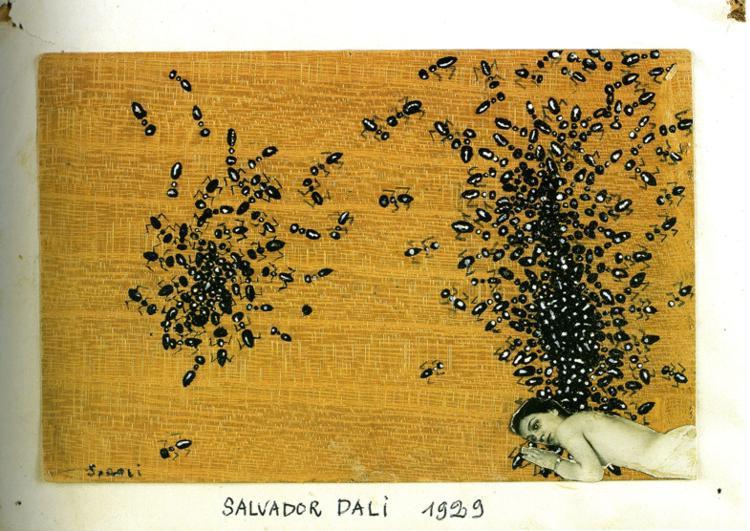
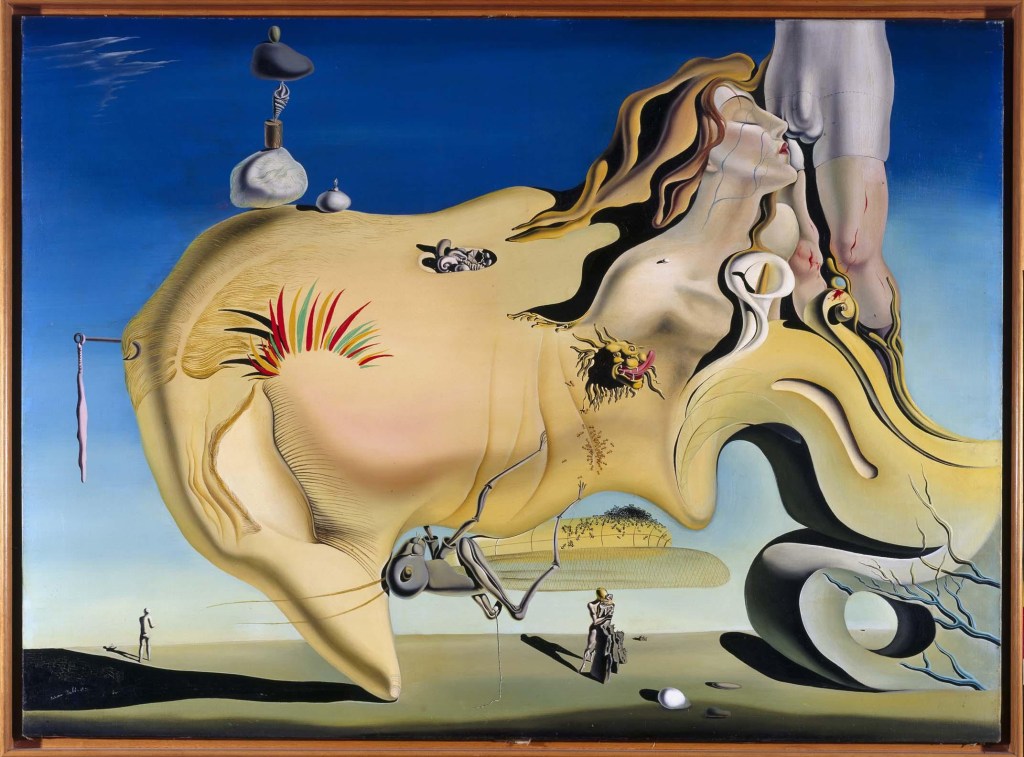
When Dalí was five he saw an insect that had been eaten by ants and nothing remained except the shell – they refer to death and impermanence. They are also said to refer to death and decay which are reminders of impermanence. They are also said to represent immense sexual desire. In the oil painting The Great Masturbator, Dalí uses ants to show his desires and, at the same time, the horrors that haunt him: the ant represents the putrefaction he fears so much. In his autobiography The Secret Life of Salvador Dalí, published in 1942, the painter offers some clues as to the blend of attraction and repulsion that these insects inspired in him:[…] The next morning a frightful spectacle awaited me. When I reached the back of the wash-house, I found the glass over-turned, the ladybugs gone and the bat, though still half-alive, bristling with frenzied ants, its tortured little face exposing tiny teeth like an old woman’s. […][…] With a lightening movement I picked up the bat, crawling with ants, and lifted it to my mouth, moved by an insurmountable feeling of pity […] For these reasons I have chosen to make the ants in my game, the pieces that attack and kill the eggs.
Elephants
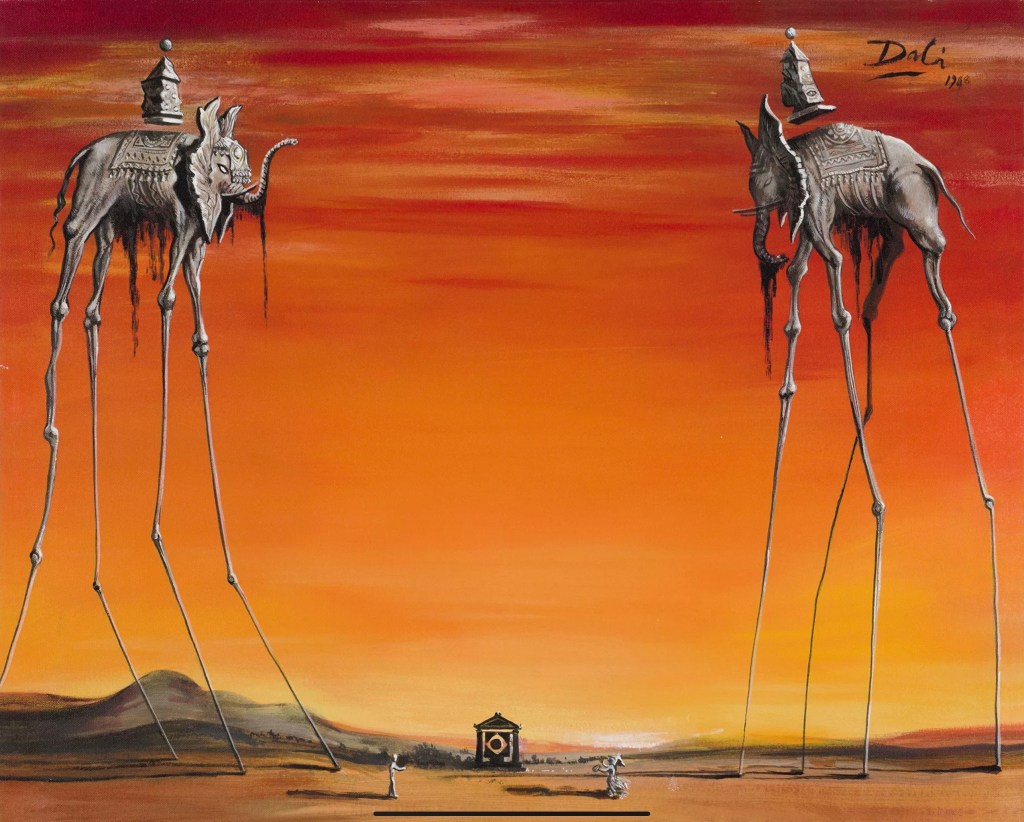
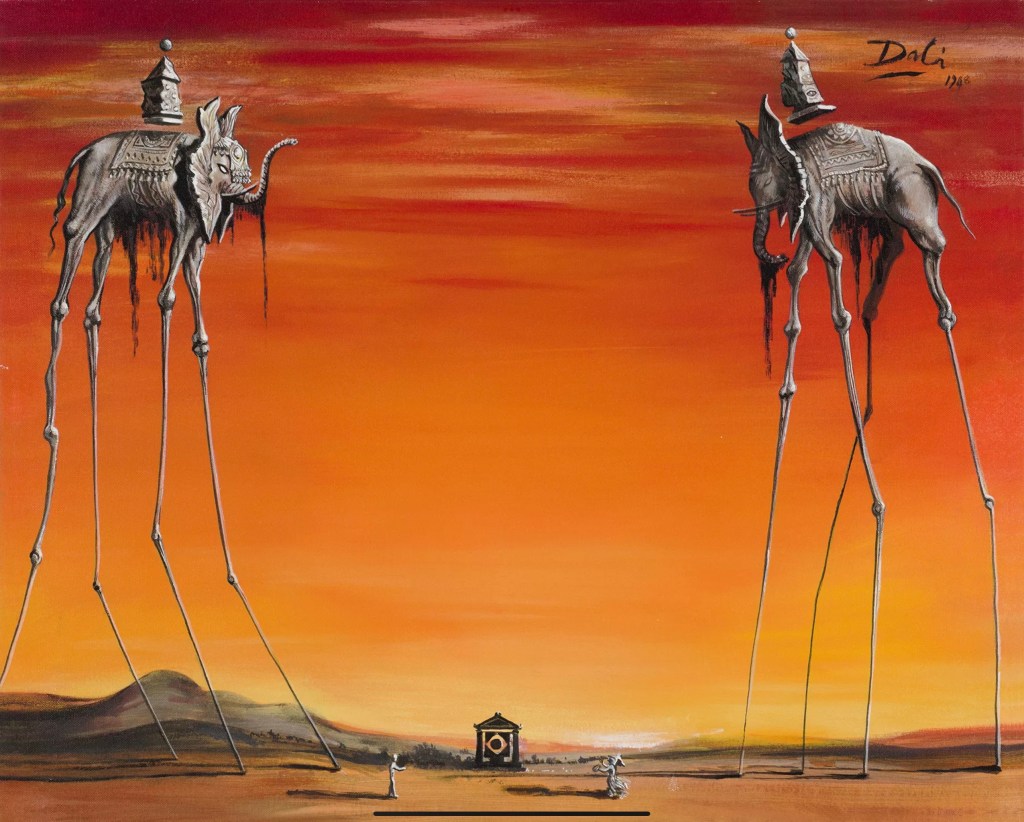
Dalí’s elephants are usually depicted with long multi-jointed, almost invisible legs of desire and carry objects on their back. They represent the future and are symbols of strength. They are often shown carrying obelisks which are symbols of power and domination, and not without phallic overtones. For this reason I have chosen to make the elephant in my game the piece that carries others across the board.
Snails
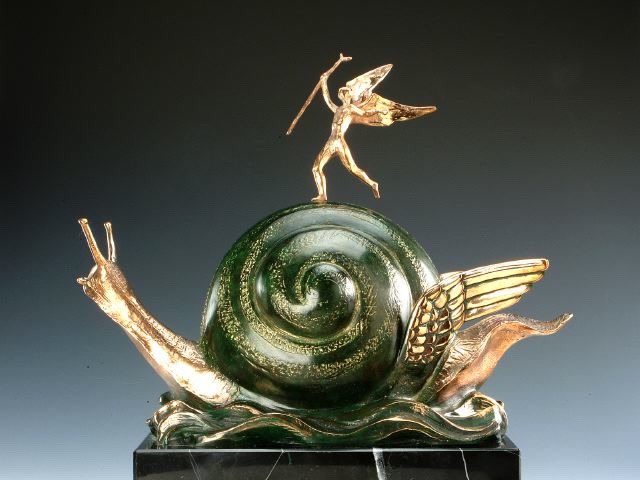
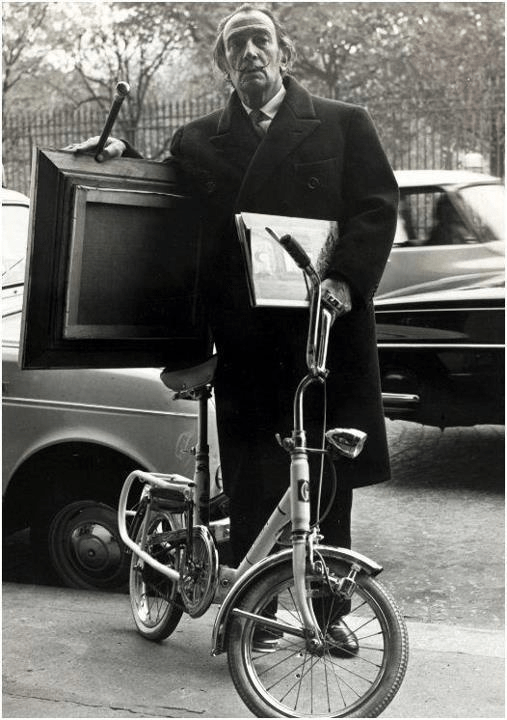
Snails are initially linked to a significant event in Dalí’s life – during a meeting with Sigmund Freud , Dalí became captivated when he saw a snail on a bicycle outside Freud’s house. This image stuck with him throughout his career. Similarly to the egg the snail has a hard exterior and soft interior which fascinated him. I have used the snail in a slightly juxtaposed what in the game – due to the fact that snails are slow but Dalí saw one on a bike I’ve made it so that the snail can go past the clock (the piece that freezes time throughout the game).
Drawers
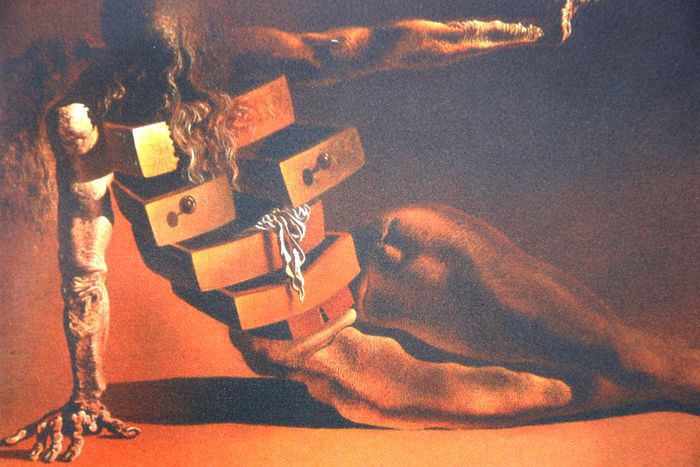
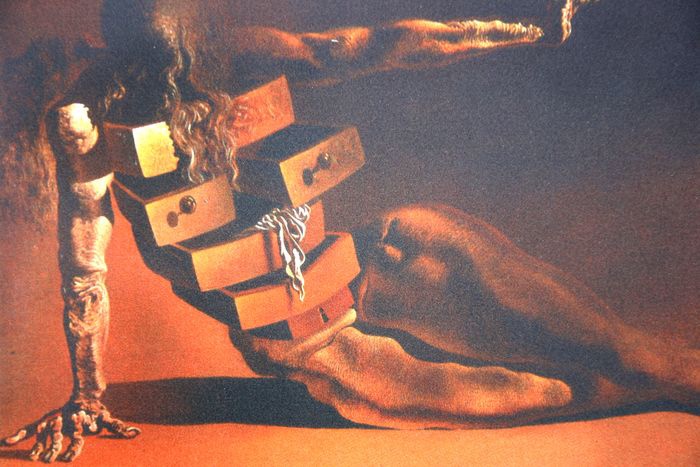
The drawers arise from their Freudian explanation as a representation of the concealed sexuality of women. Dalí portrays many of the drawers being slightly ajar, indicating that their secrets are known and no longer to be feared. I have chosen to make the drawers in the game a joker piece – meaning they can act as any piece on the board.
 My surreal world