Jan Svankmajer is a Czech filmmaker and artist whose work spans several media. He is a self-labelled surrealist known for his stop motion animations and features which have greatly influenced other artists such as Terry Gilliam, the brothers Quay and many others. He is well-known for his dark reimagining of well-known fairy tails such as Alice in wonderland. Some critics have hailed him for privileging visual elements over plot and narrative, others for his use of dark fantasy.
During the 50s, he pursued an interest in theatre and puppetry. Working at the Marionette theatre and other theatres in Prague, is where Svankmajer discovered an appreciation for film and consequently, he began a cinematic career.
Svankmajer joined the surrealist group in Czechoslovakia during the 70s and remains a member today. We only need to look as far as his 1988 adaptation of “Alice’s adventure in wonderland” to see how surrealism as a movement, has influenced him. Lewis Caroll (the writer of Alice’s adventure in wonderland) was admired by the surrealists – as we know, the story is based around the curious, the uncanny, the ambiguous, the unexplainable, that provided a core text within popular culture that surrealists could adapt and take inspiration from.
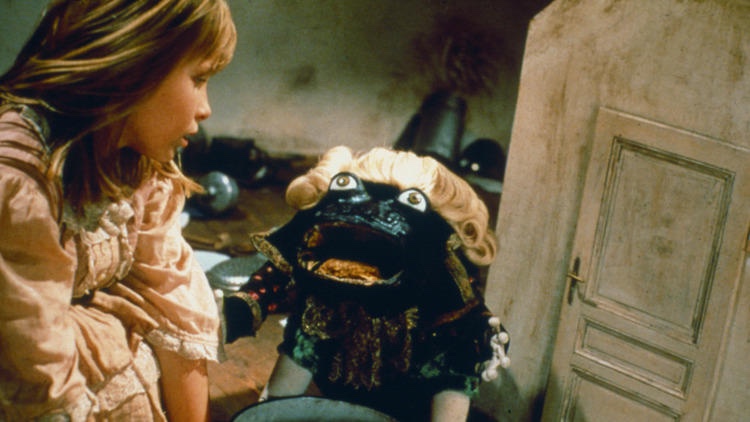
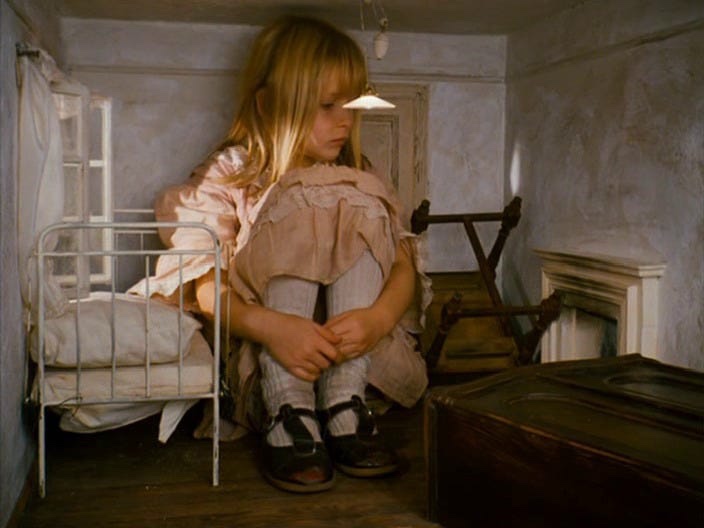
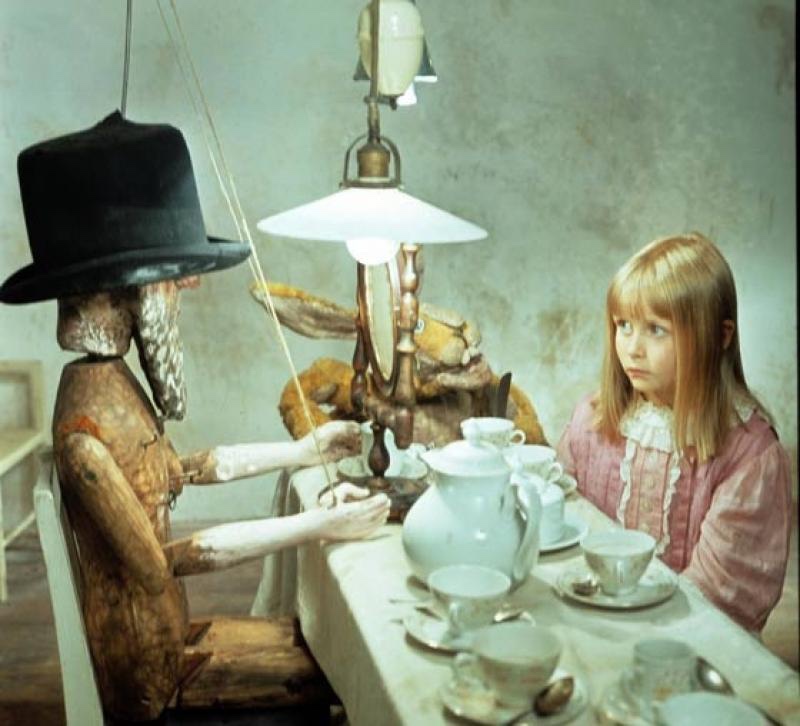
Texts like these incorporated certain qualities of the surreal such as the combination of reality and fantasy, which are initially hidden and able to be drawn out through adaptation. The film’s use of puppetry and stop-motion is an example of the surrealist obsession with ‘the object’ – as surrealism often focuses on objects that take on a human life of their own. In this film for example, the white rabbit on a piece of decor, is given life, and bones are even turned into a creature who wears items of clothing. With the obsession of objects comes the nostalgia that is found in surrealism.
Looking at his films and how they have inspired films I watched when growing up, like Labyrinth, has allowed me to realise just how much surrealism is shared throughout the world, through literature and film.
 My surreal world