What are books and their intentions.
This week, our lecture focused on artists books and publications and how artists communicate their work with their viewers. We spoke about various artists throughout this lecture who may be relevant. Andrea Bowers’ work was definitely relevant here. Andrea Bowers is an American artist working in a variety of media including video, drawing, and installation, who in 2012 shared a piece she made called “Workers’ Rights Table” and submitted it in an installation. It consisted of Political Flyers, colby posters and calligraphy in a bound book. Upon conversation throughout the lecture theatre, we spoke about how in galleries, we often see artists’ books in a glass case, not being able to flip through it. It then made me question how I should share my ideas throughout the exhibition. I would love to include a book with all of my work and the thought process behind it – the messy drawings, final outcomes, all of it.
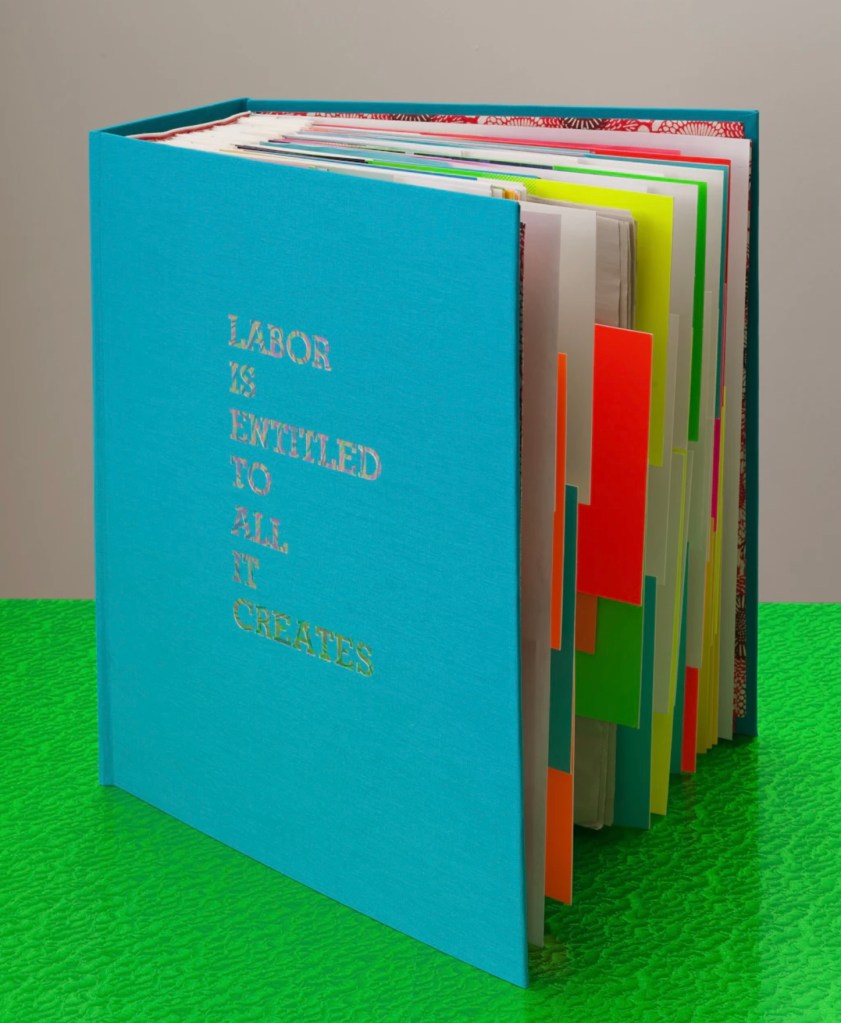
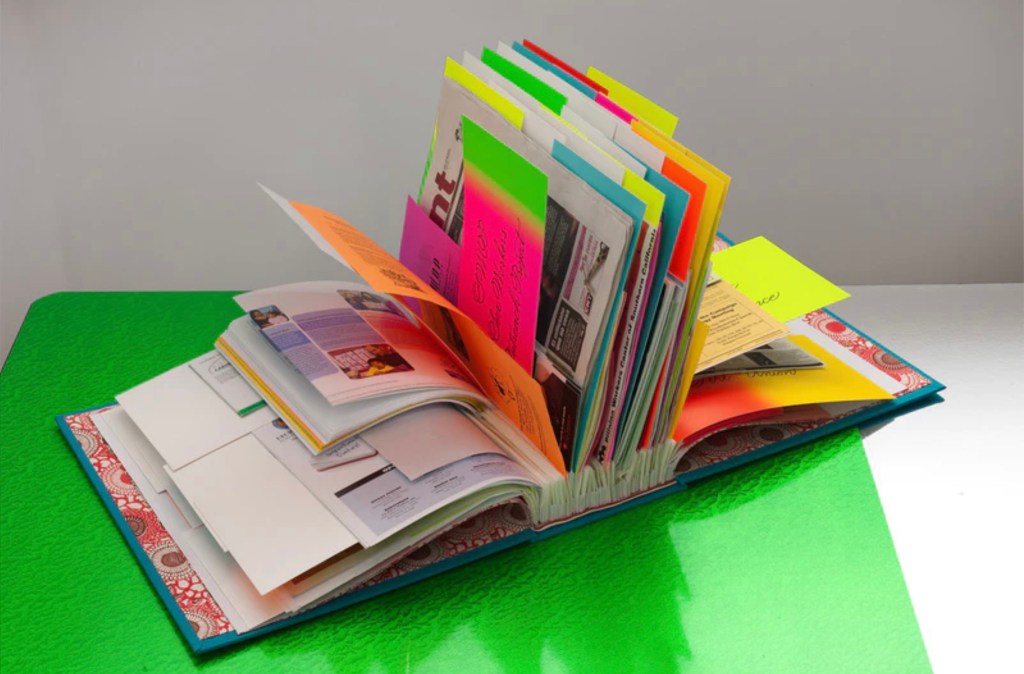
Book from “Workers’ Rights Table” Installation, 2012, Political Flyers, colby posters and calligraphy bound in book
18″ x 15″ x 8″
Is the fact that some of the images in the book are landscape and some are portrait? Is this intentional? This is actually a really powerful effect a book can have on its reader. It’s almost a performance in itself, it has the power of making us do something – deliberately turning the book on its side – rotating it to make sense to us.
ED RUSHA
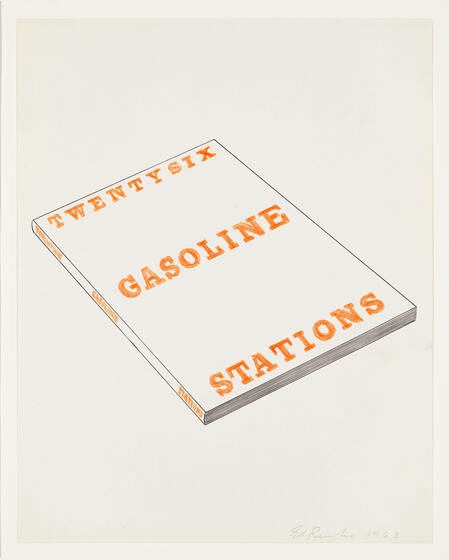
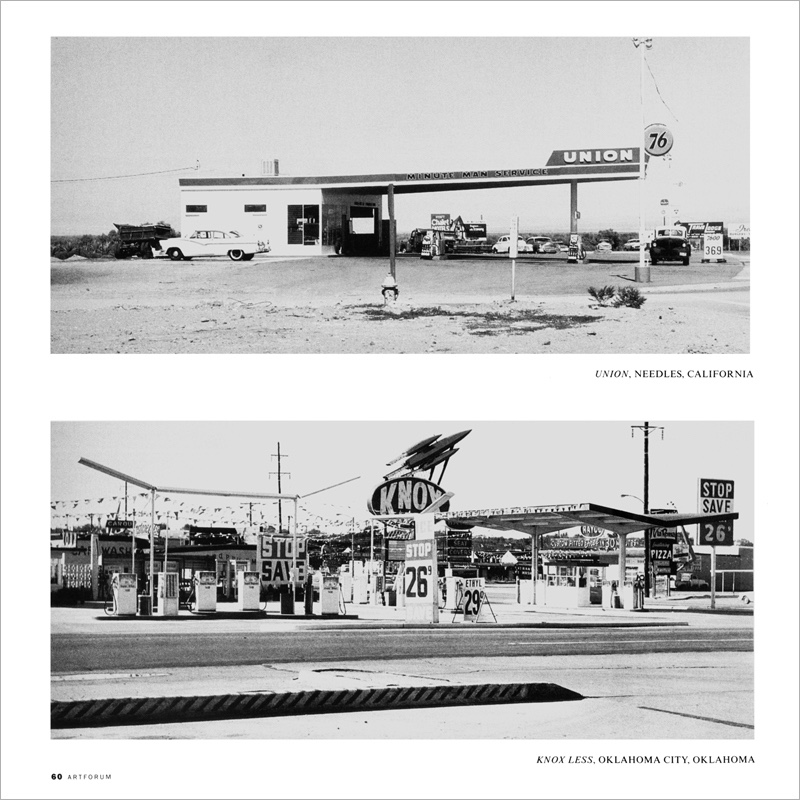
Ed Rusha is another artist who is relevant around this theme. In 1963, Rusha published a collection of “Gasoline Stations” he had photographed. The title hides absolutely nothing to what the book is about – we are shown 26 photos of different petrol stations. It is unclear what his books are for. We don’t learn from it, other than the fact there exists stations we might not have known about. But is it deeper than this? Does the artist have a reason for putting these specific images in the book? Why 26? What’s the reason?
TATE ZINE COLLECTION
Tate library began collecting zines in 2014 in order to develop the library’s artists’ books collection and to explore a wider scope of self-publishing within the arts. The zine collection has since grown and is now being launched as its own distinct collection. Zines are diy self-published documents rooted in a wider context of radical and political self-publishing. Zines are low-skill and cheap to make and as a result they represent alternative narratives and a wide range of experiences not ordinarily found within mainstream art publishing.
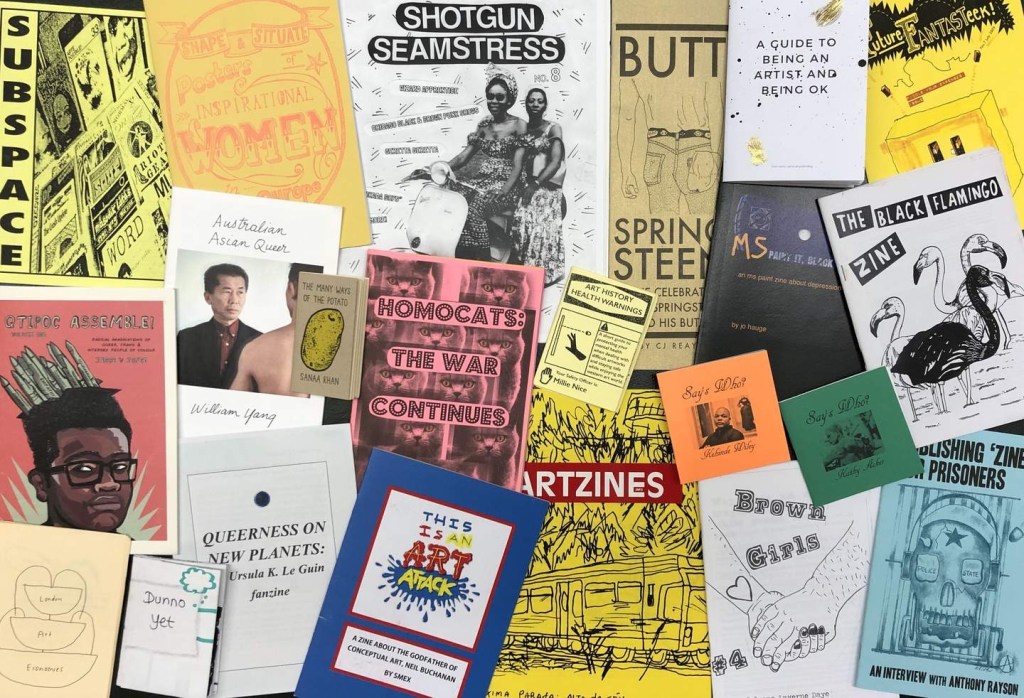
Zines are a cheaper alternative to magazines and can at times be a lot more effective. Not once have I sat and read through an entire magazine. However, zines feed small amounts of information at a time – getting straight to the point. They are also often cleverly designed to grab the readers attention by including bold imagery and text.
JONATHAN SAFRAN FOER
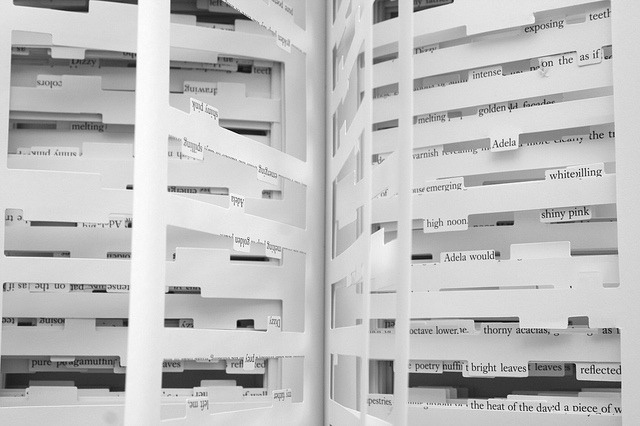
In 2010 a novalist called Jonathan Safran Foer, used books and cut out and blocked words to create a new narrative. I really enjoy this idea now that I am looking at surrealism. The journey that took me here was because I enjoyed the idea of taking something that already exists and manipulating it to give it a whole new meaning. This is something that I am thinking of including within the exhibition.
This lecture has inspired me to create some of my own leaflets to engage with my audience. I need to write down a set of rules for the game I am in the middle of designing and this week was the perfect way to set the pace.
 My surreal world